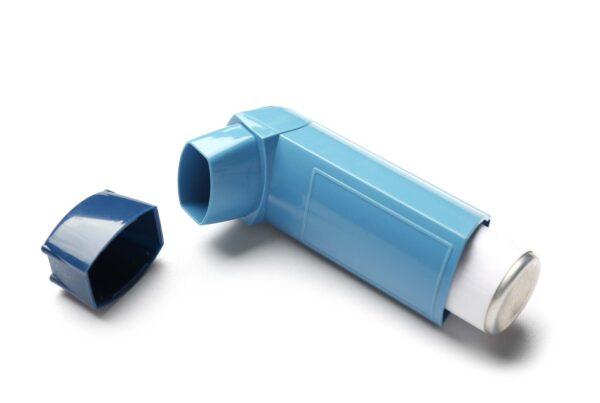
For many years, the standard treatment for asthma has been Short Acting Beta Agonist (SABA) i.e. Salbutamol used as monotherapy for patients with mild asthma.
In 2019, the Global Initiative for Asthma (GINA), recommended that SABA should no longer be used as a reliever or as monotherapy due to the significant safety concerns and poor treatment outcomes. Instead, the most appropriate course is the use of a combined inhaled corticosteroid (ICS) and a Long-Acting Beta Agonist (LABA) as a reliever.
The overuse of SABA increases the risk of asthma attacks and is recognized by GINA as the key challenge in asthma management.
Use of as needed SABA to provide the relief of asthma symptoms does not address the underlying inflammation neither does it protect the patient from asthma attacks. People who overuse short-acting beta2-agonists (SABA) may feel their asthma is under control when, in fact, inflammation in the airways is becoming worse, putting them in danger of a severe, life-threatening attack.
For this reason, patients on SABA only have a higher risk of asthma related deaths and emergency asthma related hospital visits even with good control of asthma symptoms.
Long term use of SABA monotherapy also results in poor treatment outcomes and lower lung function.
Asthma is characterized by inflamed, narrow and swollen airways with production of excess mucus making it difficult for the patient to breath. With this pathophysiological understanding, use of SABA alone will treat the early narrowing of bronchial tubes without treating long-term inflammation.
Recurrent exposure of the airways to SABA, leads to a decreased effectiveness to SABA therapy as a reliever, therefore, explaining why regular use of SABA (> 3 SABA cannisters per year) has overall detrimental impact on the patient. Overuse of SABA may delay medical care and increase your chances of having a severe asthma attack that can be life-threatening.
You may need more long-term treatment if you are using short-acting beta2-agonists on more than 2 days a week (except before exercise). Talk to your doctor if you are using your quick-relief medicine this often. Frequent use of quick-relief medicines like SABA may mean that your symptoms and inflammation are not well controlled.